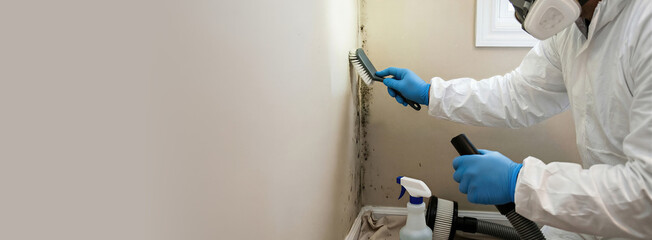
Water damage can turn an ordinary day into a stressful situation within minutes. Whether caused by a leaking pipe, appliance failure, roof leak, or unexpected flooding, water can quickly spread throughout a property and affect walls, floors, ceilings, and personal belongings. While many people focus on removing visible water, successful remediation requires much more than mops and towels. The real challenge often lies in detecting hidden moisture, preventing mold growth, and restoring safe conditions inside the property.
This is where specialized Water Damage Remediation Salt Lake City equipment plays a critical role. Professional-grade tools are designed to efficiently remove water, accelerate drying, monitor moisture levels, and improve indoor air quality during the recovery process. Understanding the equipment used during water damage remediation can help homeowners appreciate the complexity of the process and understand why proper drying and restoration require more than basic household tools.
Water Extraction Equipment Removes Standing Water Quickly
One of the first priorities during water damage remediation is removing standing water from the affected area. The longer water remains inside a property, the more damage it can cause to building materials and personal belongings. Water extraction equipment is specifically designed to remove large amounts of water quickly and efficiently. Rapid extraction helps reduce the amount of moisture absorbed into walls, flooring, and structural components.
Powerful extraction units use strong suction to remove water from hard surfaces and carpets. These machines can handle much larger volumes of water than standard household wet vacuums. In severe water damage situations, extraction equipment may be used continuously until most standing water has been removed. This early step significantly shortens the drying process and helps prevent additional damage from occurring.
Different extraction tools may be used depending on the amount of water present and the type of materials affected. Some equipment is designed for deep carpet extraction, while other machines are intended for large-scale water removal from extensive flooded areas. Selecting the right extraction equipment allows remediation professionals to remove water as efficiently as possible while minimizing disruption to the property.
Air Movers Help Accelerate the Drying Process
After standing water has been removed, drying becomes the primary focus. Air movers are among the most important pieces of equipment used during water damage remediation because they increase airflow across wet surfaces. Increased air circulation helps moisture evaporate more quickly from floors, walls, carpets, and furniture. Without proper airflow, drying can take significantly longer and increase the risk of mold development.
Air movers are strategically positioned throughout the affected area to create continuous movement of air. Their design allows them to direct airflow precisely where it is needed most. By promoting faster evaporation, these machines help remove moisture that remains trapped within building materials after water extraction has been completed.
The number of air movers used depends on the size of the affected area and the severity of the damage. Larger spaces often require multiple units working together to ensure consistent airflow throughout the property. Proper placement is critical because uneven drying can leave moisture pockets behind that may later cause structural issues or mold growth.
Dehumidifiers Remove Excess Moisture from the Air
As moisture evaporates from wet materials, it enters the surrounding air. Without proper moisture control, the drying process can slow down because the air becomes saturated with water vapor. Dehumidifiers solve this problem by removing excess humidity from the environment. These machines help maintain ideal drying conditions and support the overall remediation process.
Professional dehumidifiers are significantly more powerful than standard residential units. They are designed to handle the large amounts of moisture generated during water damage remediation. By reducing humidity levels, dehumidifiers encourage additional moisture to leave wet building materials and enter the air where it can be removed from the environment.
Maintaining balanced humidity levels is essential for preventing secondary damage. Excess humidity can cause wood to swell, paint to peel, and mold to develop even after standing water has been removed. Dehumidifiers work alongside air movers to create an efficient drying system that helps restore safe indoor conditions and protects the property’s structural integrity.
Moisture Detection Equipment Identifies Hidden Water
One of the biggest challenges during water damage remediation is locating moisture that cannot be seen. Water often travels behind walls, beneath flooring, and into insulation or structural framing. Moisture detection equipment helps identify these hidden areas so they can be properly addressed before repairs begin. Without accurate moisture detection, significant damage may remain unnoticed.
Moisture meters are commonly used to measure the amount of moisture inside building materials. These devices help determine which areas remain wet and track drying progress throughout the remediation process. Regular monitoring ensures that moisture levels continue moving toward acceptable standards before reconstruction begins.
Thermal imaging cameras are another valuable tool used during water damage remediation. These cameras help identify temperature differences that may indicate hidden moisture behind walls or ceilings. By locating water that is not visible to the naked eye, thermal imaging technology helps create a more complete assessment of the affected area and supports a more thorough remediation process.
Air Scrubbers Improve Indoor Air Quality
Water damage can affect indoor air quality, especially when moisture remains present for extended periods. Damp environments create favorable conditions for mold spores, dust particles, and other airborne contaminants. Air scrubbers are used during remediation to help remove these particles from the air and create a cleaner indoor environment.
Air scrubbers use specialized filtration systems to capture microscopic contaminants as air passes through the machine. This process helps reduce airborne particles that may be released during demolition, drying, or cleaning activities. Cleaner air contributes to a healthier environment for occupants and workers involved in the remediation process.
These machines are particularly valuable when mold growth is suspected or when contaminated water has affected the property. Maintaining good air quality throughout remediation supports a safer recovery process and helps prevent contaminants from spreading to unaffected areas of the building. Air scrubbers are often used continuously until cleanup and drying have been successfully completed.
Specialized Drying Equipment Supports Difficult Areas
Some areas within a property are more difficult to dry than others. Water may become trapped inside wall cavities, beneath hardwood flooring, or within crawl spaces where airflow is limited. Specialized drying equipment is designed to target these challenging areas and ensure thorough moisture removal. Without these tools, hidden moisture may remain and create long term problems.
Injection drying systems are often used to direct warm, dry air into enclosed spaces behind walls or under flooring materials. This approach allows affected areas to dry without requiring extensive demolition. In many cases, targeted drying techniques can help preserve materials that might otherwise need replacement.
Additional equipment may be used for specific situations depending on the type of property and extent of the damage. The goal is always to remove moisture completely while minimizing unnecessary disruption. Specialized drying tools provide greater flexibility and help ensure that all affected areas receive the attention needed for successful remediation.
Why Professional Equipment Matters During Water Damage Remediation
Many homeowners initially attempt to dry water-damaged areas using household fans or portable dehumidifiers. While these tools may help with minor moisture issues, they are often insufficient for significant water damage events. Professional remediation equipment is designed to handle larger volumes of water and achieve faster, more consistent drying results.
Using advanced equipment allows remediation professionals to monitor conditions accurately and adjust drying strategies as needed. Moisture levels, humidity, and airflow can be measured throughout the process to ensure that drying goals are being achieved. This level of precision helps prevent hidden moisture from causing future structural damage or mold growth.
Proper equipment also shortens recovery time and improves overall effectiveness. Faster drying reduces the likelihood of additional damage and helps restore normal conditions more quickly. Investing in thorough remediation supported by professional-grade equipment often saves time, money, and stress in the long run.
Conclusion
Water damage remediation relies on a variety of specialized tools designed to remove water, dry affected materials, detect hidden moisture, and improve indoor air quality. Water extraction equipment, air movers, dehumidifiers, moisture meters, thermal imaging cameras, air scrubbers, and specialized drying systems all play important roles in the recovery process. Each piece of equipment serves a specific purpose and contributes to restoring a property safely and effectively. Understanding how these tools work together highlights the importance of thorough remediation and helps homeowners appreciate the steps required to prevent long term damage after a water-related emergency.